Cytomic details The Glue 2's DBX 202 modelling and new harmonics control
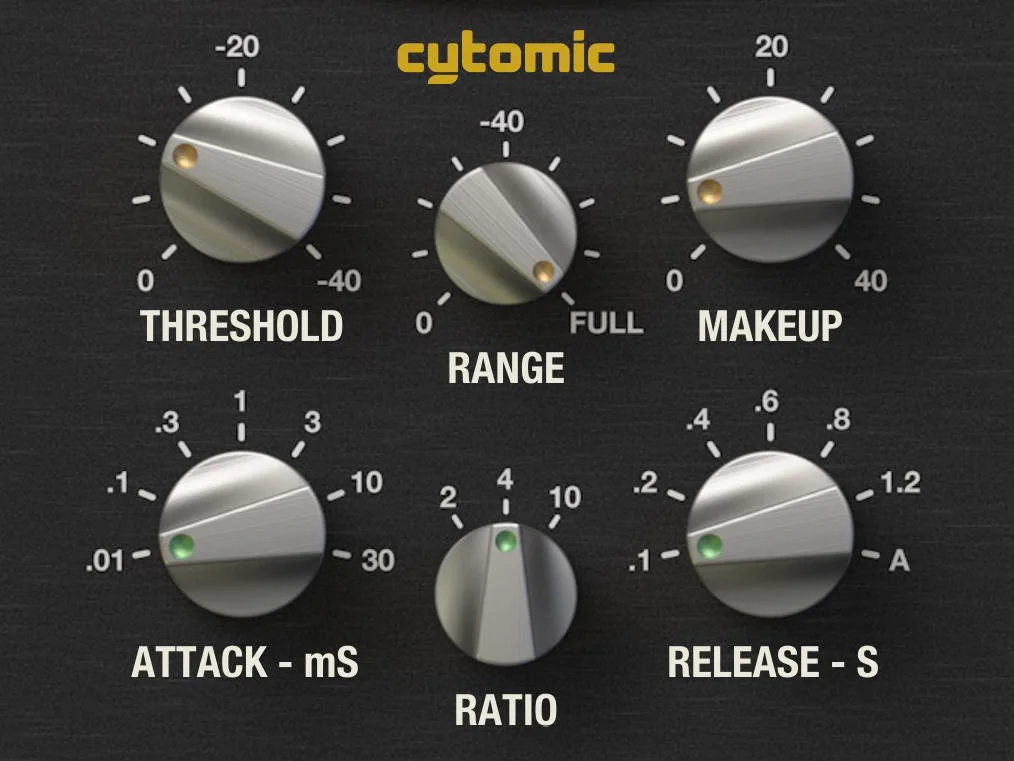
The Glue has been a fixture on mix buses for over a decade, Cytomic’s take on the classic SSL-style bus compressor, and its sequel has been “coming” long enough that the wait is a running joke among its users. Cytomic’s Andy Simper has spent recent months posting detailed progress on The Glue 2, and the picture is now specific enough to be worth reporting, even with no release date and no price attached.
The core change is the compression model itself. Where the original approximated the circuit, The Glue 2 models the DBX 202 VCA at full component level, matched against a DIYRE gBus kit down to individual resistor values. Simper says that when pushed hard the new version bends more smoothly than v1, with a slightly asymmetric response between the left and right channels that widens the stereo image. For anyone who wants the older behaviour, there will be a linear signal-path option that sits closer to The Glue 1 and uses less CPU.
The feature drawing the most attention is a Harmonics control, shown in a July video. It takes the DBX 202 emulation from clean through to subtly driven, adding excitation through a symmetry control on the modelled VCA rather than a separate distortion stage. That is Cytomic’s answer to the harmonic-distortion modes newer bus compressors have added, done inside the circuit rather than bolted on after it.
Two things set the tone. Simper builds these models by measuring real hardware rather than tuning by ear, and when a commenter suggested using AI to speed things up, Cytomic’s reply was blunt: “no vibe coding for us.” And the release stays unscheduled. The GUI is the current focus, which has historically meant the finish line is near, but The Glue 2 has looked close before. Treat it as eventually, not soon.
Producer’s note
If you already run The Glue on your bus, the question worth holding for the beta is not the harmonics dial but the linear path. It exists so you can keep the exact sound you have mixed into muscle memory for years, on the same presets, with the full model available when you want the extra movement. Test both on a mix you know cold before deciding the new one is an upgrade rather than a different tool.
Read more at Cytomichttps://cytomic.com/